Explore the Best Features and Services Offered by Backup Generators Currently.
Backup power systems have evolved considerably, including innovative capabilities that enhance their functionality and ease of use. Notable improvements involve Automatic Power Switches for uninterrupted power shifts and remote monitoring capabilities for up-to-the-minute status checks. Furthermore, sound dampening features and energy saving methods reflect a growing emphasis on operator convenience and ecological stewardship. As these systems keep improving, the implications for emergency preparedness and home security gain greater relevance. What other features might alter their purpose?
Automatic Transfer Switch: Smooth Power Changeover
An automatic transfer switch (ATS) serves as a crucial component in backup power setups, providing an uninterrupted change of power during outages. When grid power is lost, the switch recognizes the outage and promptly separates the building from the grid. This action prevents backfeed, which can endanger utility workers and equipment. Simultaneously, the ATS signals the standby generator to start up, allowing for an uninterrupted power supply
Once the generator is operational, the switch moves the electrical burden to the generator, preserving necessary utilities and minimizing disruption. Portland Standby Generators. In most installations, the ATS constantly tracks electrical conditions and can seamlessly switch back to the main source once it is restored. By enabling this smooth and quick changeover, the ATS improves operational dependability and guarantees that businesses and homes stay energized during vital times. The integration of an ATS marks a significant improvement in providing dependable electricity supply
Remote Monitoring and Control
While backup units deliver critical energy during outages, distant oversight functions boost their effectiveness by letting operators track generator performance remotely. This system employs intelligent hardware and applications, permitting owners and operators to track generator status, efficiency statistics, and repair schedules in real-time.
Users receive alerts regarding power issues, fuel levels, and performance irregularities, allowing for prompt action and cutting unnecessary idling. The intuitive interfaces enable effortless modifications and parameter adjustments, promoting better operator involvement and control.
Moreover, remote monitoring can facilitate proactive maintenance scheduling, minimizing unexpected failures and extending the generator's lifespan. As a result, users can enjoy peace of mind, knowing their standby generator is functioning efficiently, ready to provide reliable power when needed. This added layer of convenience and oversight makes remote monitoring a valuable feature in modern standby generators.
Noise Reduction Technology
Noise reduction technology plays an essential role in enhancing the user experience of standby generators. As these systems operate during power outages, minimizing noise levels becomes vital, especially in residential settings. Manufacturers have developed various methods to achieve quieter operation, including sound-dampening enclosures and advanced muffler designs.
Many modern standby generators feature insulated cabinets that not only reduce noise but also protect the internal components from weather elements. Additionally, some models incorporate vibration isolation systems that further minimize sound during operation. The implementation of these technologies allows users to maintain their comfort and peace while ensuring reliable power during outages.
Fuel Efficiency and Environmental Considerations
In examining fuel efficiency and environmental considerations, standby generators present various technologies aimed at reducing emissions. A comparison of fuel consumption across different models highlights the importance of selecting units that optimize energy use. Additionally, the exploration of renewable energy options further enhances the eco-friendliness of standby power solutions.
Emission Reduction Technologies
As concerns about climate change and air quality grow, the importance of emission reduction technologies in standby generators becomes increasingly evident. These technologies are designed to minimize harmful emissions, making generators more environmentally friendly. Innovations such as advanced catalytic converters and particulate filters markedly reduce pollutants, including nitrogen oxides and particulate matter. Additionally, manufacturers are integrating cleaner-burning fuels and optimizing combustion processes to enhance overall efficiency and lower emissions. The implementation of smart monitoring systems also allows users to track emissions in real-time, ensuring compliance with environmental regulations. Consequently, implementing these technologies for reducing emissions does more than just help the environment and also meets the rising consumer need for green power alternatives. To conclude, these options constitute a crucial move for more environmentally sound standby power choices.
Analysis of Fuel Efficiency
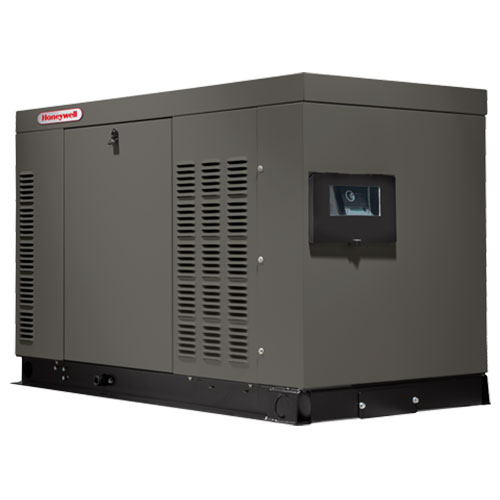
When assessing standby power generators, a critical factor to weigh is their fuel consumption, which directly impacts both operational costs and long-term environmental viability. The efficiency of fuel use differs among various models, a result of the specific engine design and incorporated technology. Units running on diesel, propane, and gasoline each have unique consumption rates, with diesel often providing higher energy density and longer run times. However, propane and natural gas options are becoming more popular due to their cleaner combustion and reduced pollutant output. Knowing the fuel efficiency data, for instance, BTU production or GPH (gallons per hour), is necessary for buyers who want to weigh performance with cost-effectiveness. Additionally, the environmental implications of fuel choice highlight the importance of selecting a generator that supports environmental objectives.
Renewable Energy Options
Sustainable power alternatives for backup units provide a strong option to traditional fuel sources, particularly regarding fuel efficiency and their effect on the environment. Power generated by the sun and wind are being incorporated more often into backup systems, letting owners capture power from nature to produce electricity. These choices substantially lower the need for conventional fuels, resulting in reduced greenhouse gas output and a smaller ecological mark. Additionally, advancements in energy storage technologies make it possible to use green energy more efficiently, ensuring a consistent power supply in the event of a blackout. The initial investment may be higher, the long-run reduction in fuel and upkeep expenses, along with environmental benefits, position sustainable energy options as a desirable selection. In summary, this movement toward eco-friendly power within standby power systems shows a rising focus on environmentally sound methods.
Service and Maintenance Contracts
Routine servicing and upkeep agreements are essential for ensuring the longevity and dependable operation of backup units. Such agreements usually include scheduled check-ups, testing, and servicing conducted by qualified technicians. When technicians perform these checks, essential elements such as batteries, fuel systems, and electrical connections are thoroughly examined to prevent potential failures in the event of a grid failure.
Maintenance contracts commonly incorporate regular oil changes, new filters, and coolant inspection, which enhance the generator's performance and fuel economy. Furthermore, many providers offer emergency repair services, providing immediate support if important resource failures happen when routine maintenance is not scheduled.
Investing in a detailed upkeep schedule does more than just prolong the lifespan of the generator but also offers reassurance, assured that the generator can cope for unforeseen blackouts. Customers have access to a range of service plans customized for their requirements, fostering peak operation and reliability throughout the generator's service duration.
Safety Features and Compliance Standards
Safety measures and adherence criteria are essential elements in the functioning and design of standby generators, ensuring both the user's safety and compliance with sector rules. Newer generator models incorporate multiple safety mechanisms, such as self-activating shutdown mechanisms that engage when faults occur, avoiding possible dangers like shocks or combustion. Furthermore, many units are equipped with carbon monoxide detectors, which work to lessen the hazard associated with harmful gas emissions.
Compliance with regional and federal laws, such as the National Electrical Code (NEC) and UL certification guidelines, is vital for manufacturer certification. These criteria ensure that standby generators are tested for performance, trustworthiness, and safety. In addition, producers frequently supply user manuals detailing safe operating procedures and setup instructions. By prioritizing these features and compliance standards, standby generators do more than just boost customer trust but also encourage secure functioning during power outages, thereby protecting both lives and property.
Frequently Asked Questions
What is the typical price for a Standby Generator?
On average, a standby generator costs in the range of $5,000 to $15,000, installed. Factors influencing prices are based on generator capacity, make, and additional features, with different choices offered to suit different household needs and budgets.
How Long Does a Standby Generator Last?
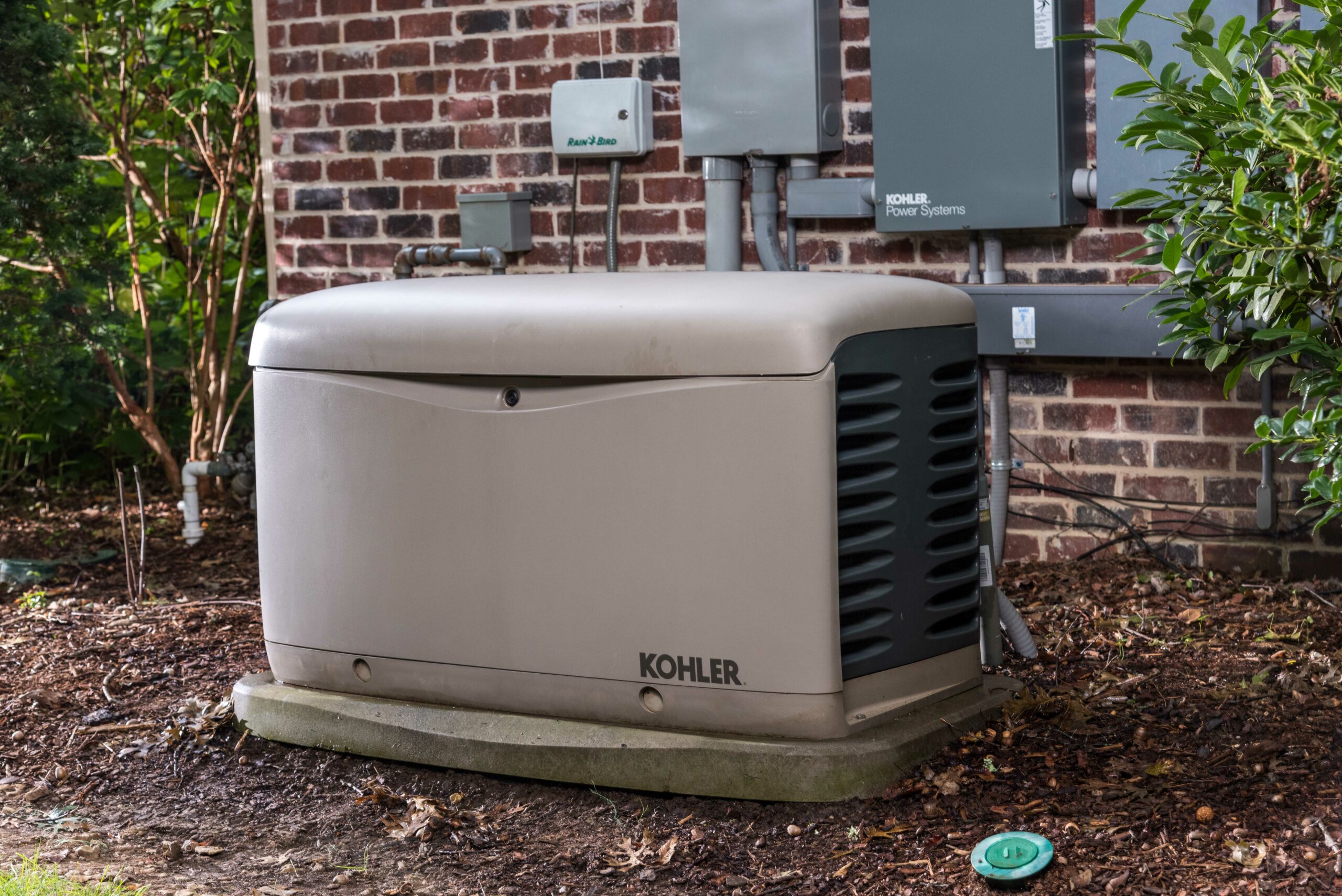
A standby generator's operational life is generally from 15 to 30 years, contingent on utilization, upkeep, and environmental factors. Routine maintenance significantly improves life expectancy and reliability throughout its operational life.
Am I Able to Install a Standby Generator Independently?
Installing a standby generator oneself can be done by seasoned people, but it's usually discouraged because of safety hazards and area ordinances. Expert installation provides meeting all standards and maximum efficiency for the generator.
Which Brands Offer the Best Reliability for Standby Generators?
The most dependable generator manufacturers are Generac, Kohler, and Briggs & Stratton. Portland Standby Generators. They are well-known for their longevity, efficiency, and comprehensive customer service, making them popular choices among homeowners seeking dependable backup power solutions
How Do I Choose the Right Size Generator for My Home?
Determining the correct generator size, you need to calculate the total wattage of necessary appliances, factor in the difference between starting and running wattage, and plan for potential future demands, to guarantee the generator manages peak power needs without fail.